
The delivery job
Describe food, parcels or grocery deliveries, the box dimensions and the weight of goods. Include the rider and all fitted equipment in the proposed total load.
Delivery & fleet / PROJECT ASSESSMENT
For food, parcel and local retail delivery projects. Define the route, goods and operating routine first, then assess a platform and sample configuration with your team.
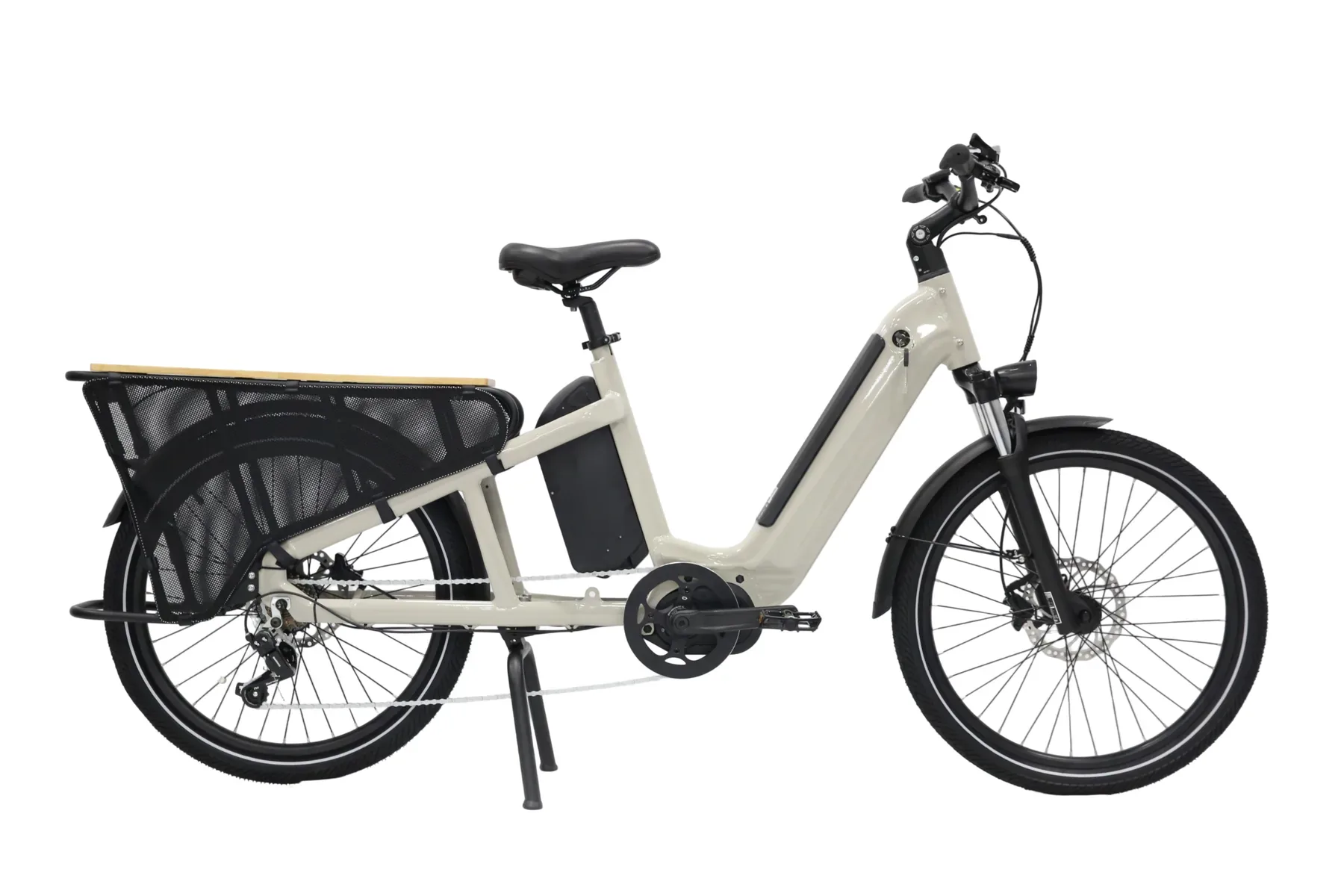 EB267T / Illustrative platform — project suitability requires review ↗
01 / CUSTOMER NEEDS
Describe food, parcels or grocery deliveries, the box dimensions and the weight of goods. Include the rider and all fitted equipment in the proposed total load.
Record daily distance, gradients, surfaces, stop frequency and single-rider or shared-shift use. Separate measured operating needs from a target range claim.
Explain parking, charging space, turnaround time and who performs daily checks and repairs. Identify the destination and local operating requirements.
02 / CONFIGURATION CHOICES
CHOICE TO DISCUSS
Compare an everyday city format with an extended rear layout or a cargo platform against the same delivery brief.
WHAT TO VERIFY
Check dimensions, handling and container mounting. A category name does not establish commercial-duty suitability.
CHOICE TO DISCUSS
Describe access to charging, shift length and any required battery-handling routine.
WHAT TO VERIFY
Assess the actual sample on the proposed route. Battery capacity alone does not establish range or continuous operating capability; any exchangeable-battery requirement needs separate review.
CHOICE TO DISCUSS
List the delivery box, locks, wear parts, tools and any tracking or fleet-system requirements.
WHAT TO VERIFY
Agree mounting, compatibility and a maintenance plan. Tracking, spare-parts commitments and service response times are subject to project review, not stated as included features.
03 / EXISTING REFERENCE PLATFORMS
Existing product specifications are shown for comparison. These are assessment candidates, not verified delivery-ready versions. Confirm suitability through engineering review and sample testing.
EB267T
Dual-battery utility longtail
Use the current longtail platform to discuss the position and attachment of a delivery container.
Before choosing: Confirm total load limits, rack and mounting limits, loaded parking, braking and handling before selecting a version.
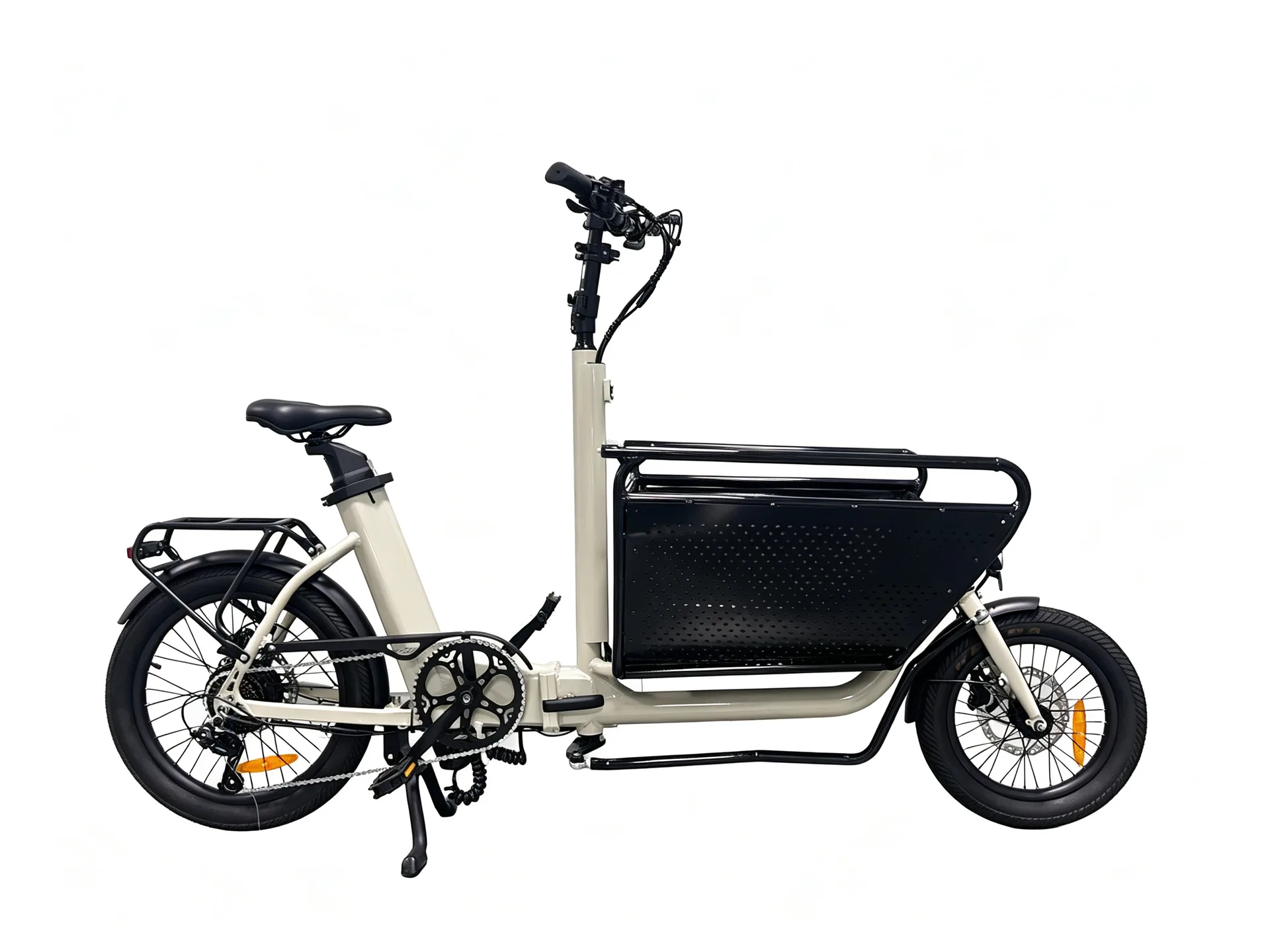
EB322T
322T Heavy-Duty Utility Cargo E-Bike
Assess the existing cargo layout against the same goods, rider and route brief.
Before choosing: Confirm dimensions, container interfaces and the complete loaded configuration through engineering review and sample testing.
04 / SAMPLE EVALUATION
Agree the sample configuration, safe test conditions and acceptance criteria with the team. Keep a simple record of results and changes needed.
Run the proposed route with representative riders, goods and stop patterns. Record distance, conditions and battery use instead of assuming a range.
Have the proposed load and mounting reviewed before a loaded test. Check container access, attachment, handling, braking and loaded parking against agreed criteria.
Evaluate the agreed charging routine, storage and shift handover. Any battery exchange arrangement must first be confirmed for the selected system.
Record inspection points, wear, tools and repair tasks during the pilot. Agree the parts plan, responsibilities and unresolved issues before discussing a fleet order.
PROJECT SCOPE
Load ratings, sustained operating performance, battery exchange, tracking integration and after-sales commitments depend on the selected configuration and project review.
No fleet-specific capability or service commitment is confirmed by this guide. Record each requirement in your brief so it can be assessed before a sample or order is agreed.
ADD YOUR DESTINATION
These links connect planning considerations, not country-specific product approvals.
YOUR NEXT STEP
Share your company, market, intended use, model interests and quantity through the existing project enquiry.